

Bitcoins and queues

Everybody is talking about Bitcoin. But how does it actually work?
Zooming in a chemical reaction!

Chemical reactions evolve in the same way as water flows through a network of rivers. When describing a chemical reaction you can imagine that the concentrations of the reactants are flowing through the reaction network in the same way as water flows through the network of rivers.
The quantum Internet - A glimpse into the future
QuTech at the Delft University of Technology and TNO, in collaboration with the European Quantum Internet Alliance, are leading the efforts to establish a quantum Internet and aims at having a proof of concept version, between the cities of Amsterdam, Leiden, Delft and the Hague.
"Look it up on the Internet!" - How Web Search Works

In this article we will have a look at how search engines work. What happens when you type the query in the famous, almost magical, Google's white page? And what does it have to do with networks?
What does your Facebook network look like?
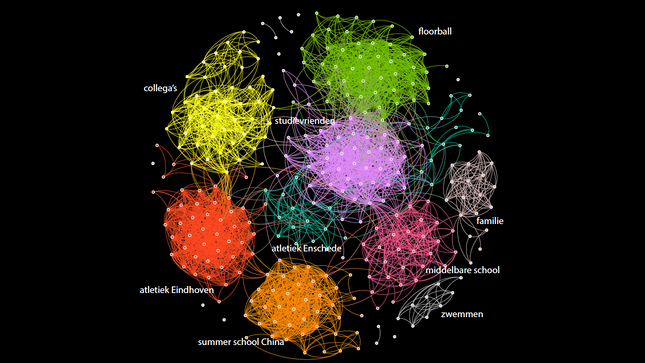
Have you ever wondered if you can visualise your Facebook network? And what do these networks have to do with mathematics?
From Atoms to Reaction Networks
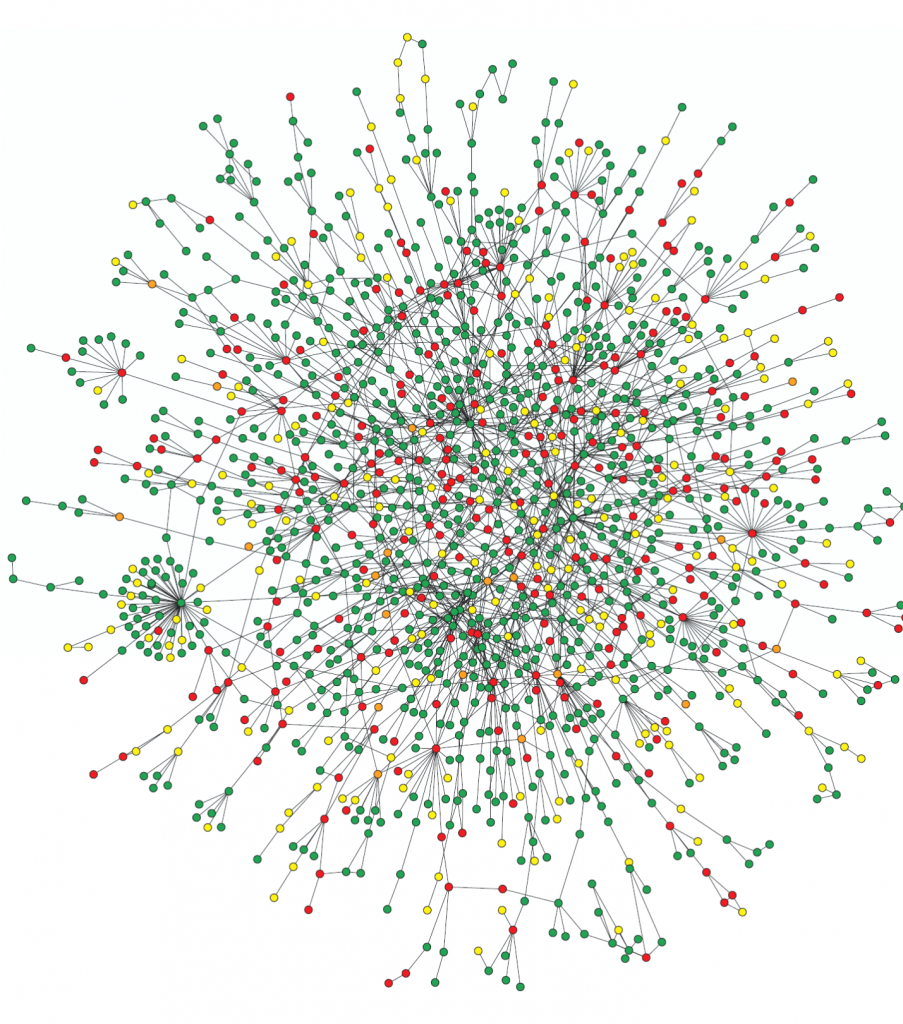
Have you ever thought about a relation between chemistry and networks? Already from school courses we get the feeling that there is some interplay between mathematics and chemistry. In this article we will see how graph theory can help us understand the way chemical reactions occur.
Networks in breakfast
My favorite muesli contains cranberries, raisins and oats. But what do other people like to eat in their muesli? A muesli network gives the answer!
Network analysis of tax treaties
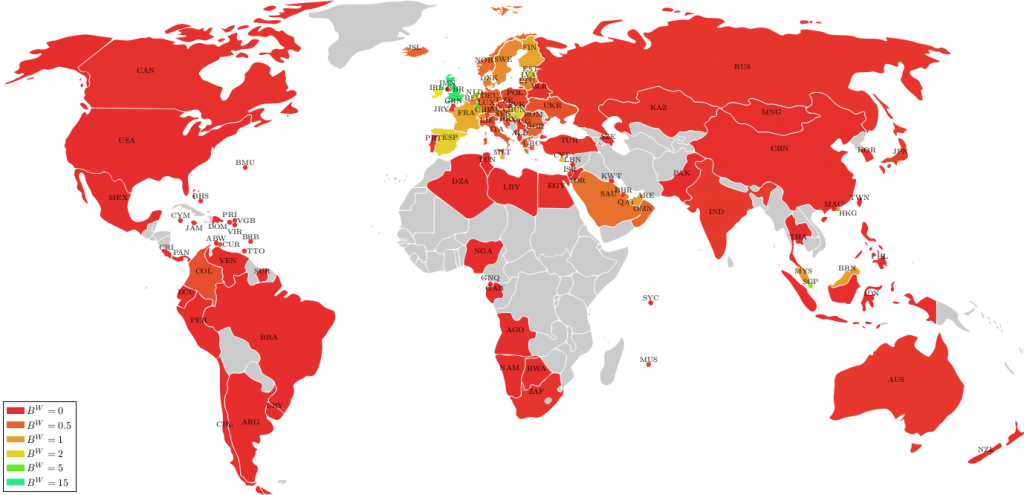
Large international companies often do not send their profits directly from one country to another. Instead, they send it via other countries, so-called conduit countries, to reduce the tax they pay. Which countries are the most important conduit countries?
Lo & Behold: Werner Herzog’s take on the Internet
![Source =https://www.flickr.com/photos/zaffi/13522787904/ |Author =[https://www.flickr.com/people/46958049@N00 Raffi Asdourian] from New York, United States](https://www.networkpages.nl/wp-content/uploads/2017/01/Werner_herzog_portrait-1024x683.jpg)
Documentary, “Lo & Behold: reveries of the connected world” is about the Internet. “What is so terrible about the internet?” you ask, “Isn’t it kind of great?” Yes, that is indeed how it would seem to most of us. But just wait until Herzog shows you.
Stochastic models for random-access networks
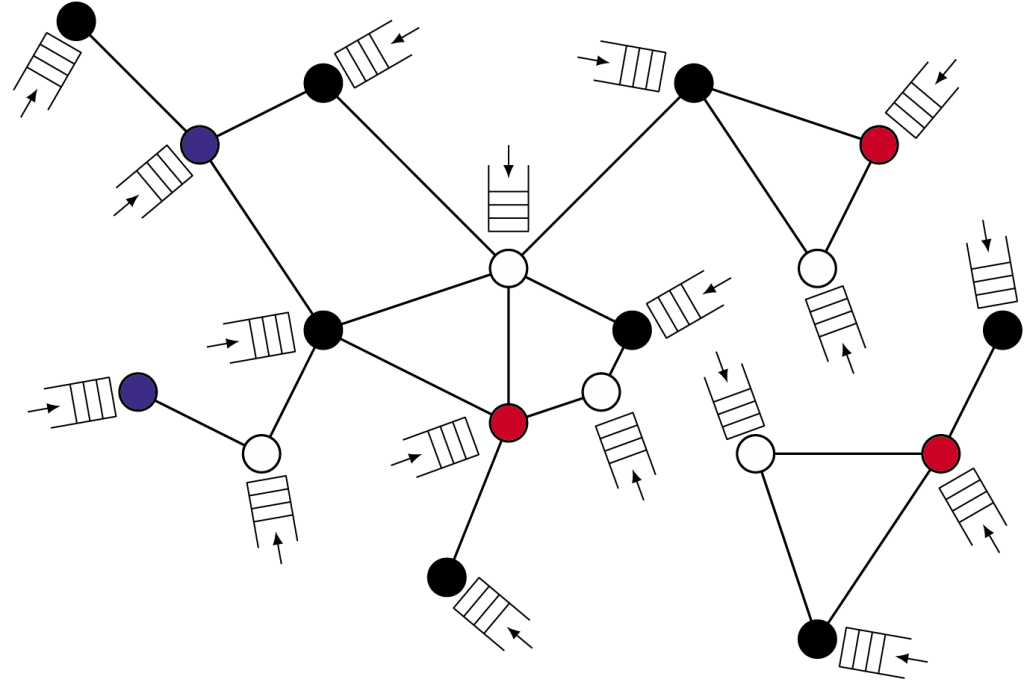
Wireless communication networks play a crucial role in connecting laptops, smartphones, sensors and countless physical devices, and in exchanging data among persons, computer brains and other parts of our information society.