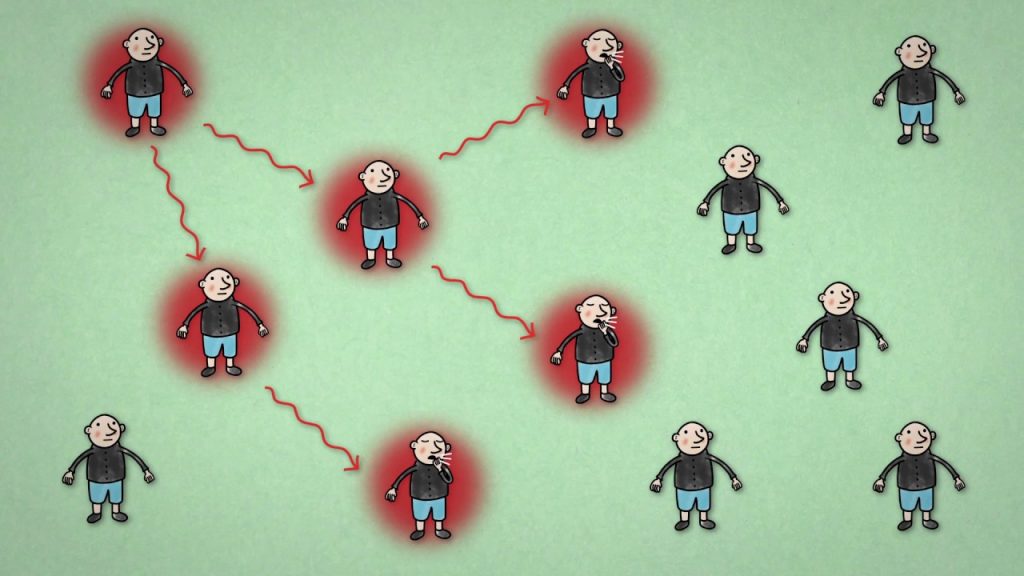
Vaccination and the friendship paradox!
On social media it seems like everyone around me is more popular than what I am. It is a mathematical statement: the friendship paradox!
Let me show you the math!
In this category we collect articles where we discuss mathematical concepts and results. In all these articles we aim at making the mathematics accessible, we focus on the ideas and omit unnecessary technicalities.
Degrees in graphs IV: degrees in large real-world networks
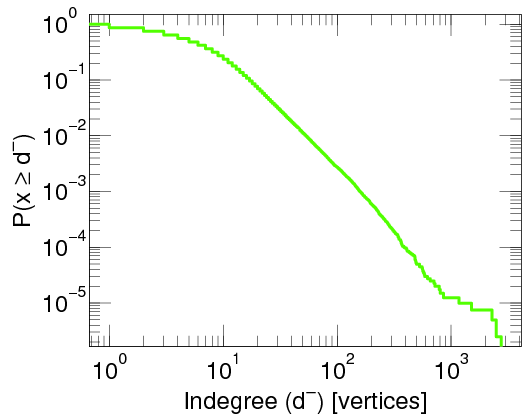
How are elements in real-world networks connected? That is the question we aim to answer in this post. Most real-world networks turn out to be extremely inhomogeneous.
Word usages reflect network community structure on Twitter
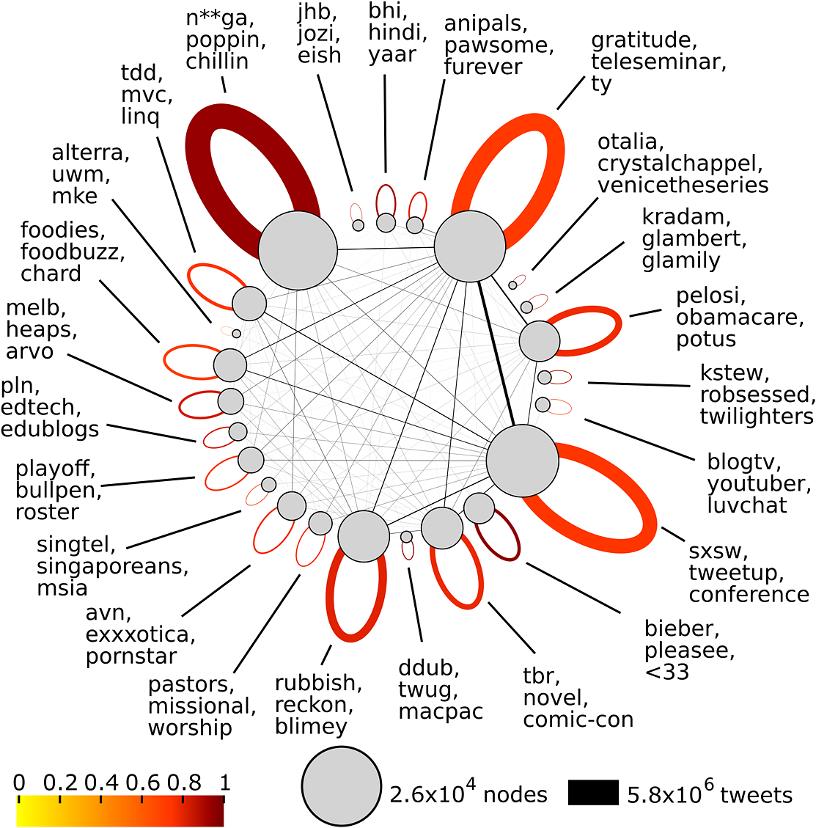
Networks can be found everywhere, and are also present in social media platforms such as Twitter. Generally, groups exist that send a lot of tweets to each other and far fewer tweets to users outside their group. In this article, the research on word usages in Twitter social groups, also called communities, will be discussed in more detail.
Why the whole world has seen Gangnam style
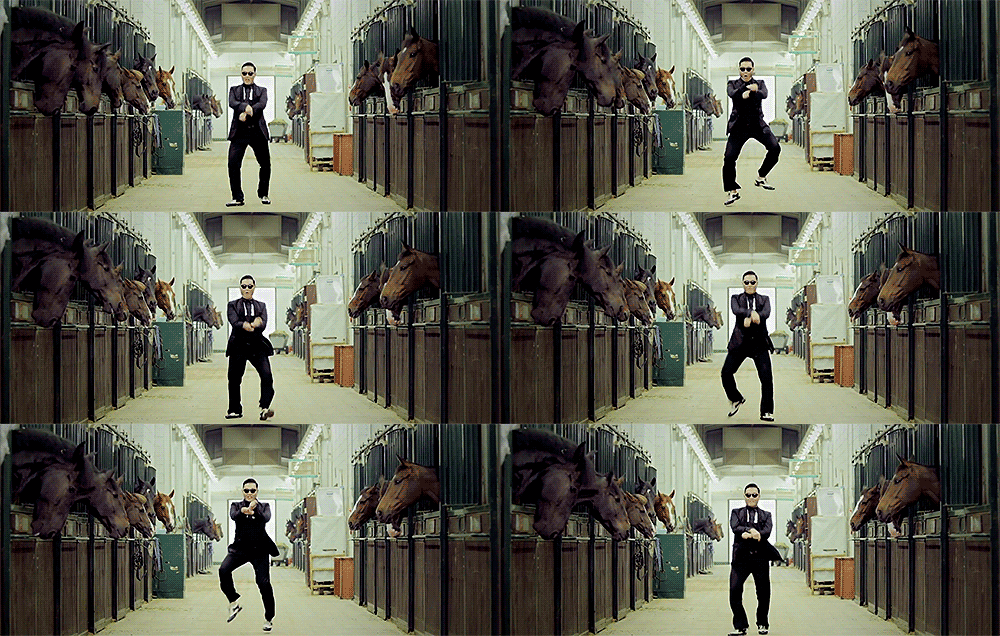
Have you ever wondered what makes a video go viral? Or how it is possible that they can spread so quickly? Maybe you didn't (that's fine), but many economists, marketeers, and even mathematicians have wondered.
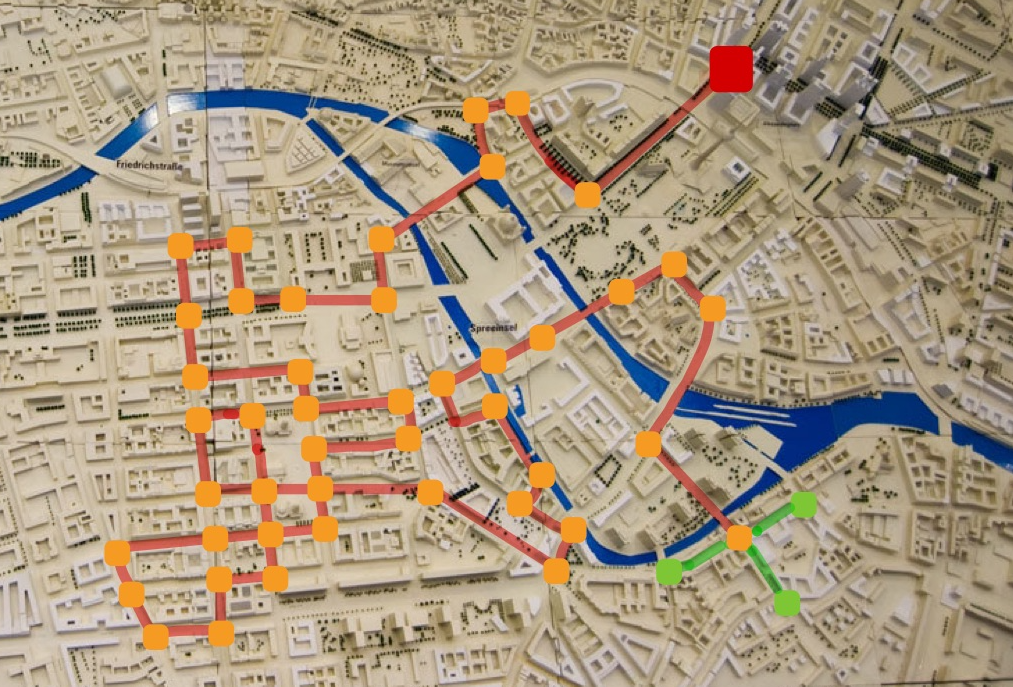
Finding the shortest route to your holiday destination: Dijkstra's algorithm
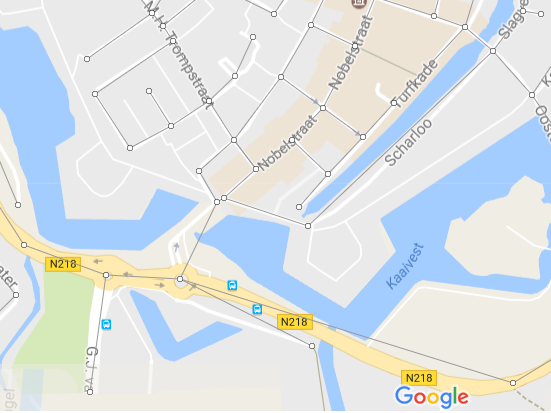
Nowadays we have route planners such as TomTom and Google Maps to make driving to a holiday destination a lot simpler. In this article we explain the science behind these route planners.
Degrees in graphs III: Which degrees sequences are possible?

Paul Erdős and Tibor Gallai developed a beautiful criterion to decide precisely when a degree sequence is graphical.
Network analysis of tax treaties
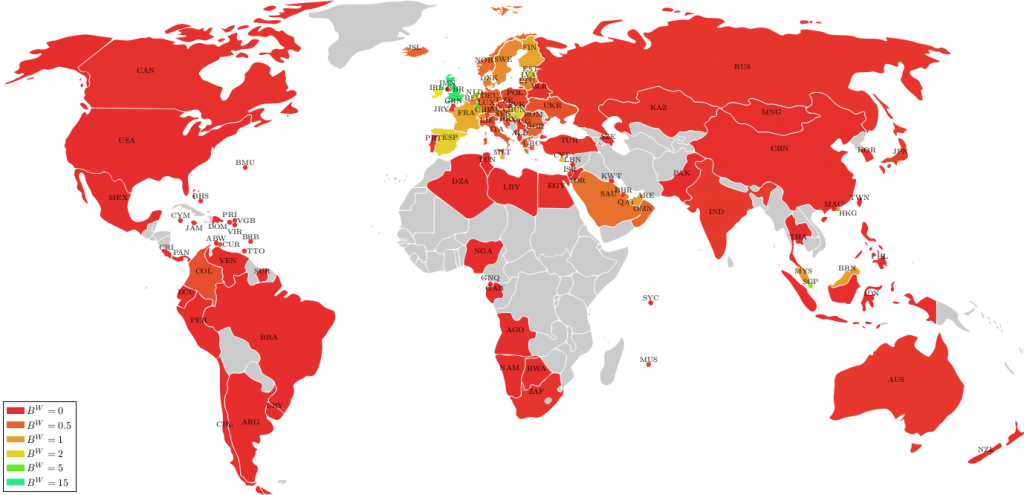
Large international companies often do not send their profits directly from one country to another. Instead, they send it via other countries, so-called conduit countries, to reduce the tax they pay. Which countries are the most important conduit countries?
Layered networks III: The math behind manufacturing plants design
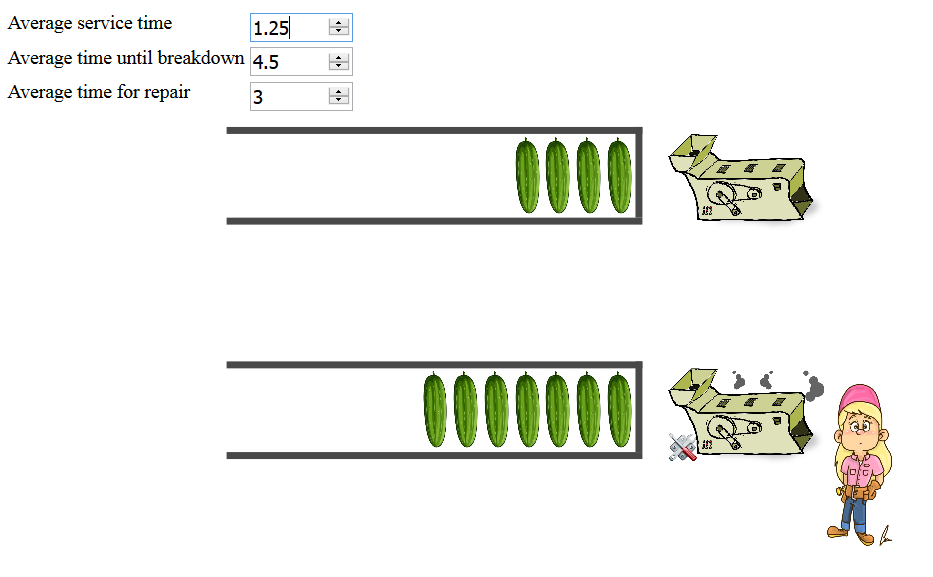
Earlier, we have seen that layered queueing networks are found in manufacturing plants, as well as many other applications in society. The math behind such networks is much more challenging than traditional queueing networks.
A network made of math
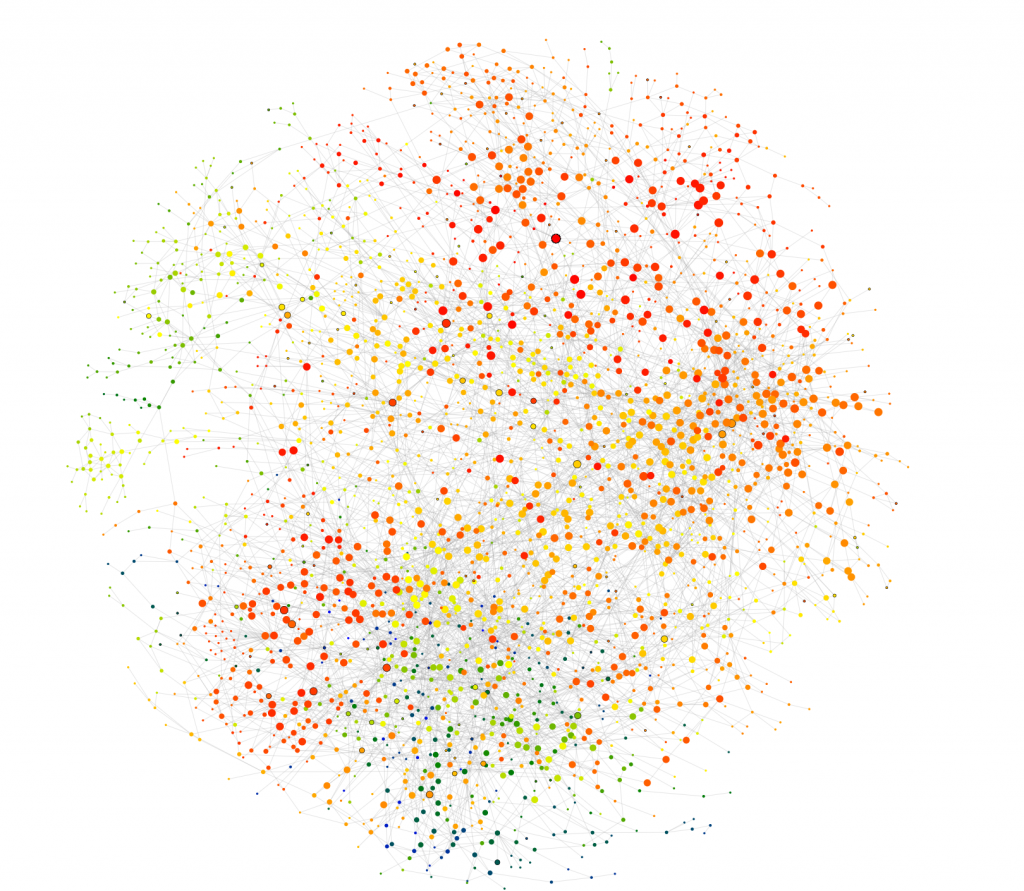
Alexander Grothendieck (1928—2014) is viewed by many as one of the greatest mathematicians of all time. He made contributions to many different fields, but the work he is mainly celebrated for is his shaping of some of the most abstract, fundamental branches of mathematics.