DNA self-assembly gives birth to new mathematics
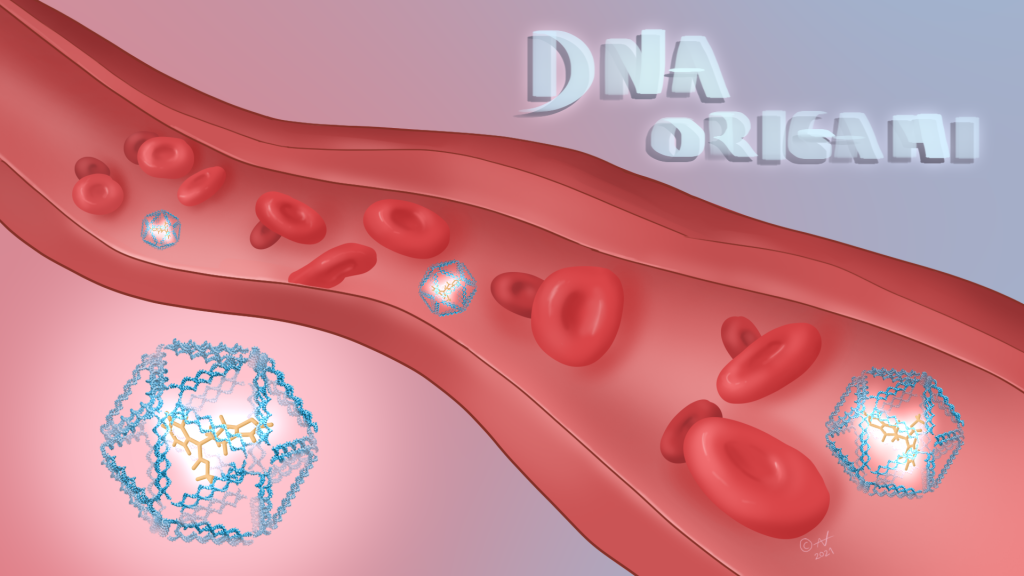
At this very moment, the emergent science of DNA self-assembly is giving birth to a new field of mathematics that might be called DNA-mathematics. Cleverly constructed DNA molecules will self-assemble into pre-determined complex structures when placed in solution together.
How does wireless communication work?
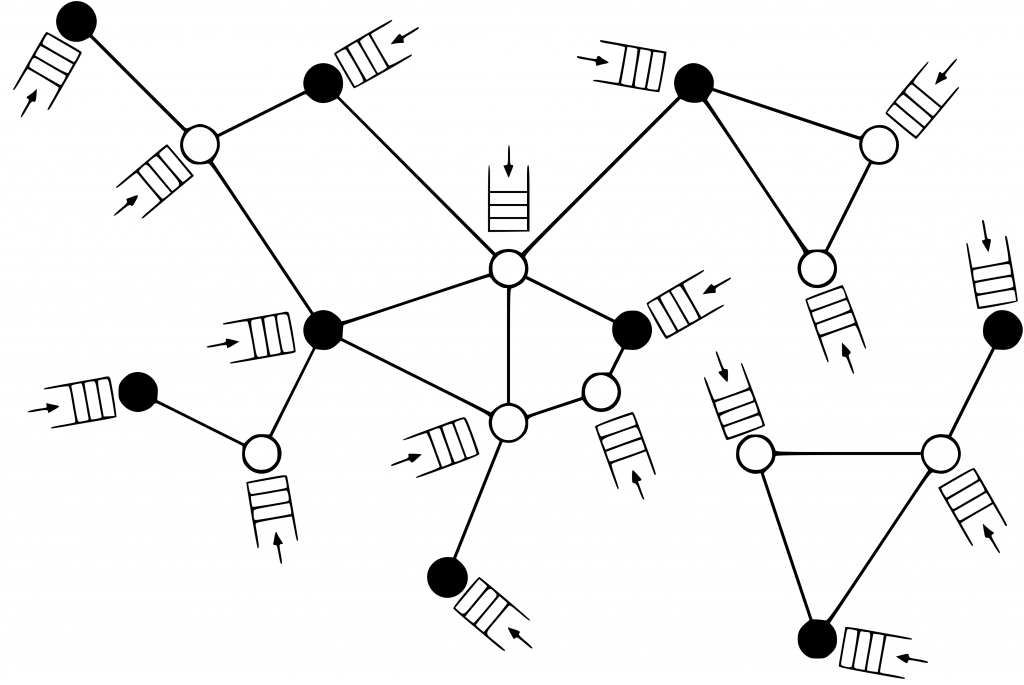
We might not be fully aware of it, but we all use wireless communication everyday in many familiar situations, such as when we connect our laptop to the local Wi-Fi network, when we use navigation apps to orientate ourselves while driving, or when we send a message to a friend using our smartphones. It has become so natural for the world we live in, that we often take it for granted and have no idea of how it works.
Metallic Statistics: How modern blacksmiths use mathematics to produce new materials
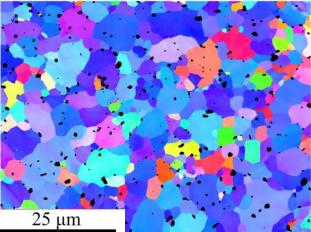
Steel industries work with universities trying to understand how microstructure features influence the properties of metals.
From the ateliers of great masters to the labs of the Rijksmuseum

As watching actual paint dry is not the most exciting activity for a scientist, we took the safest and the fastest method: computer modeling of chemical processes happening in paint. The method does not damage any paintings, and good models can predict years of paint drying in an hour or two.
Synchronization in the body-clock

The body-clock, which is a cluster of neurons in the brain, has the same structure in all mammals, which is remarkable. It consists of two groups: two-communities of neurons that are strongly linked within each community and less strongly linked between the communities.
How parallel computing can be (in)efficient
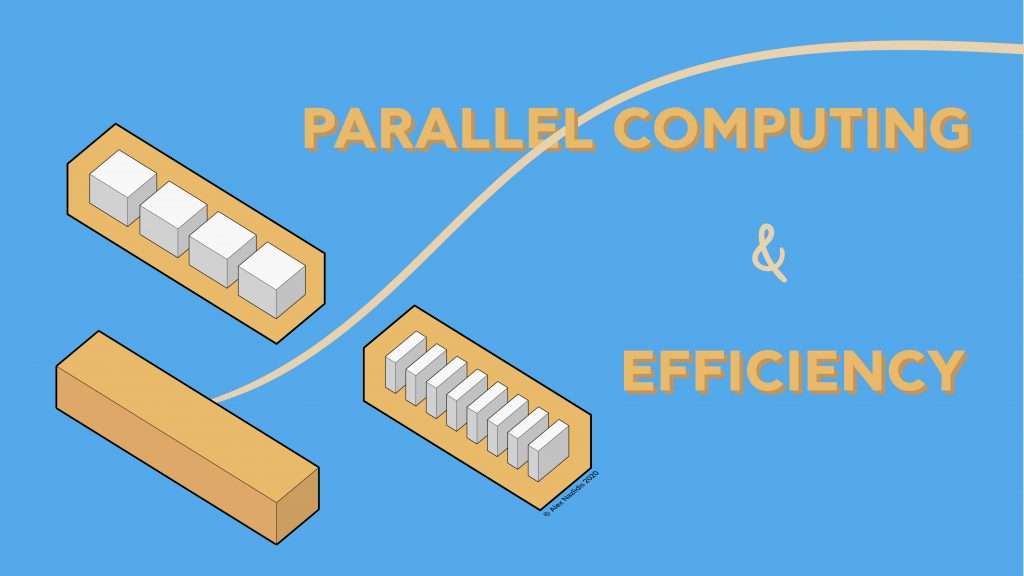
Today, we demand much more from our devices and we take for granted that they all work nice and fast. Without realizing, we usually greatly value a speedy processing of our tasks. Speed is thus of the essence, but how do current-day devices cope with this? The answer: your devices can multi-task.
Google PageRank: how search engines `bring order to the Web'

A crucial innovation of Google was a mathematically quite simple but powerful algorithm called PageRank.
Traffic lights no longer needed: back to the future
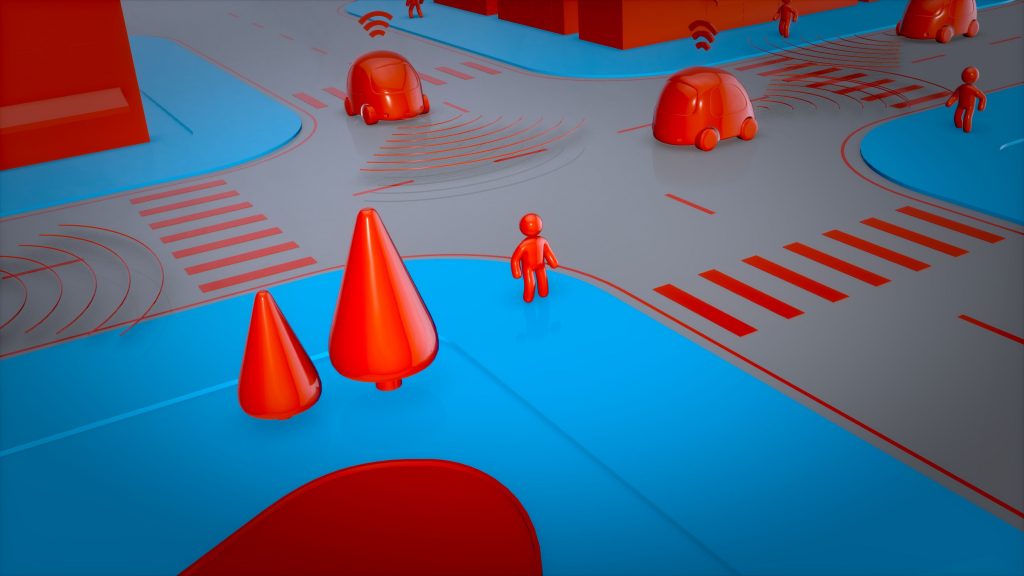
Traffic lights are currently an annoying but inevitable part of traffic. With the introduction of self-driving cars however, can we avoid having to wait for a red light ever again?
The seed bank, a hidden storage of genetic diversity

In 2012 a team of Russian scientists managed to germinate a 30.000 year old seed of an indigenous Siberian flower, called the Silene stenophylla. The seed blossomed into a plant, whose flowers produced fertile seeds.
The quest for a better Internet

The internet is growing quickly. How can it remain as fast as it is now? We’ll find the answer in the supermarket!