DNA self-assembly gives birth to new mathematics
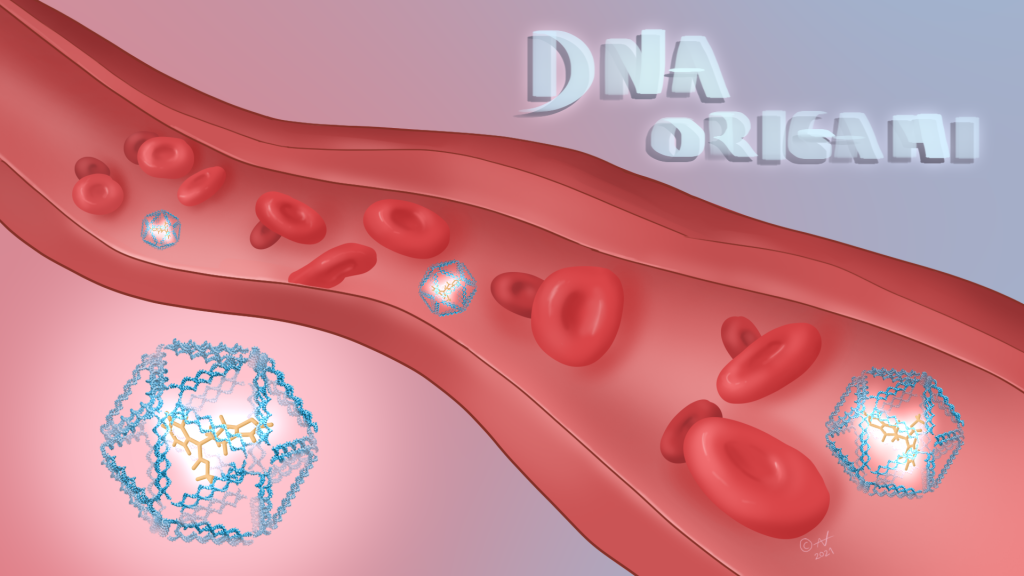
At this very moment, the emergent science of DNA self-assembly is giving birth to a new field of mathematics that might be called DNA-mathematics. Cleverly constructed DNA molecules will self-assemble into pre-determined complex structures when placed in solution together.
Not all jet-lags are the same
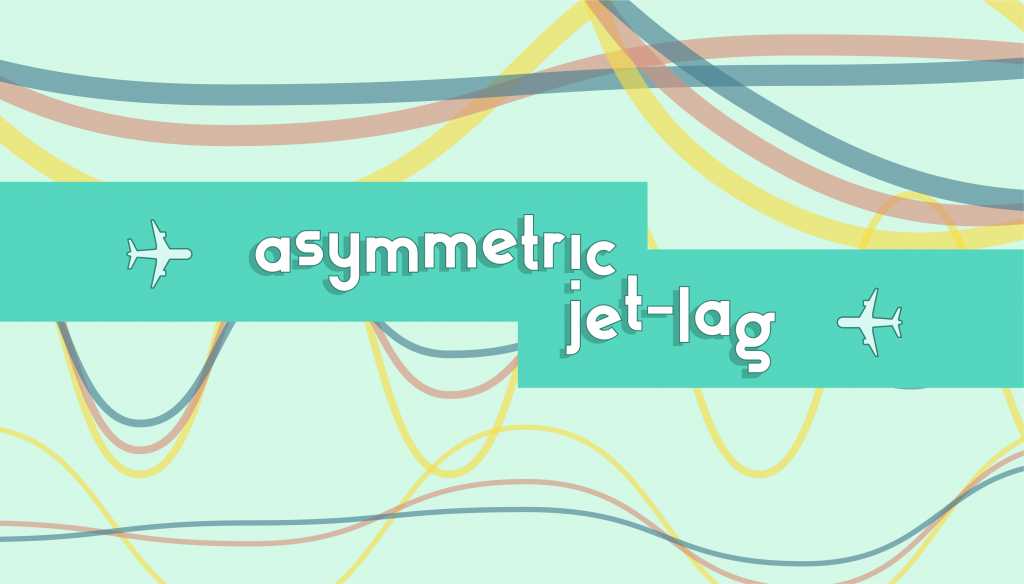
The part of the brain that controls the sleeping cycle is made up of two groups of neurons. In order for you to be able to sleep at night, the activity of these neurons needs to be synchronized with the cycle of the sun (e.g. active during the day and inactive at night). When you abruptly change the cycle of the sun (by flying to New York) these two groups need to re-synchronize to the new sun-cycle.
Gödel's incompleteness theorem in 15 minutes?
Is it possible to fully understand Gödel's incompleteness theorem in 15 minutes?
Predicting optimal routes in unpredictable networks
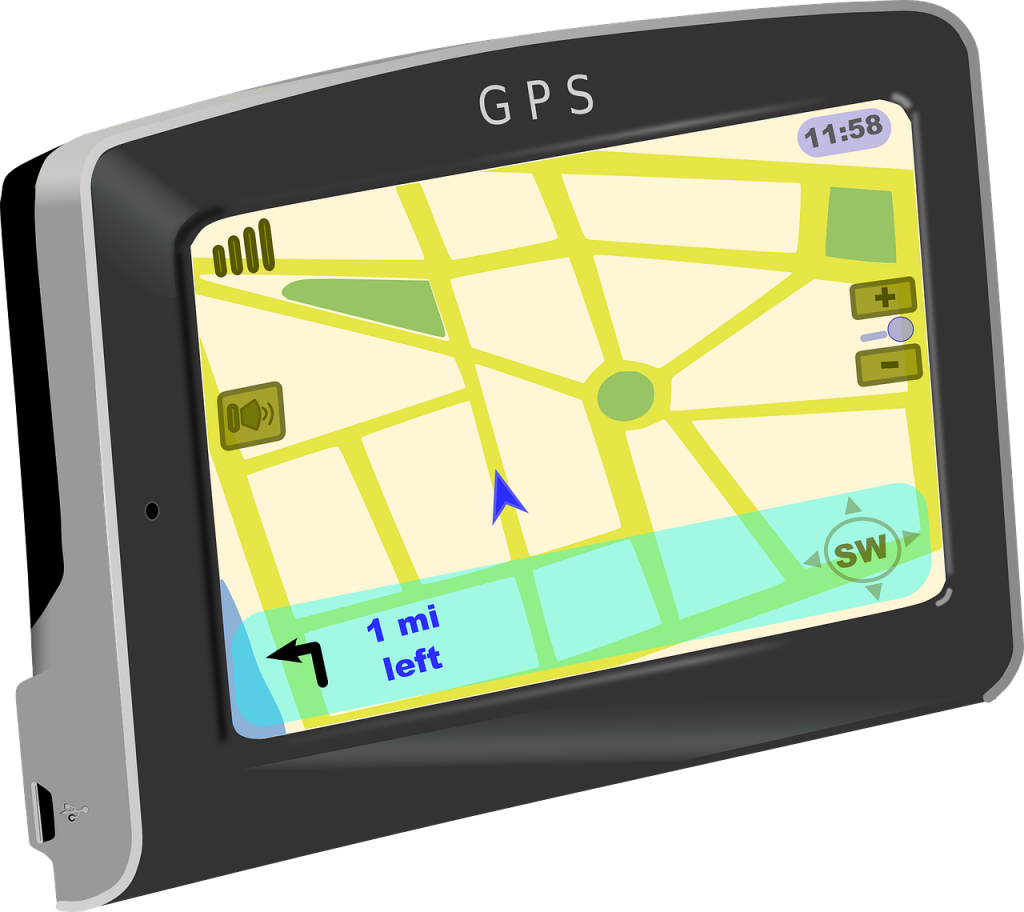
How does your navigation system find the fastest route in a road network, if it does not know where traffic jams occur and how long they last?
Words of Women in Mathematics in times of Corona
The common narrative at the beginning of the pandemic last year, prompted by the global scale of the crisis, was that we were all on the same boat. Of course, we quickly realized that was not the case.
Passing a negative coin
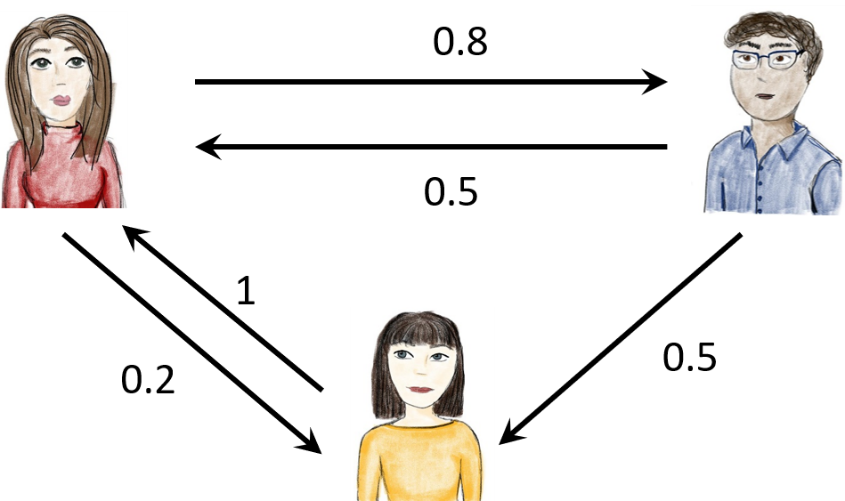
A brand new solution to an old mathematical problem. This time we found it by throwing in some negative cash, the debt.
How does it work?

In this category we collect all articles where we explain how various real world networks work.
Stumbling around in a changing world
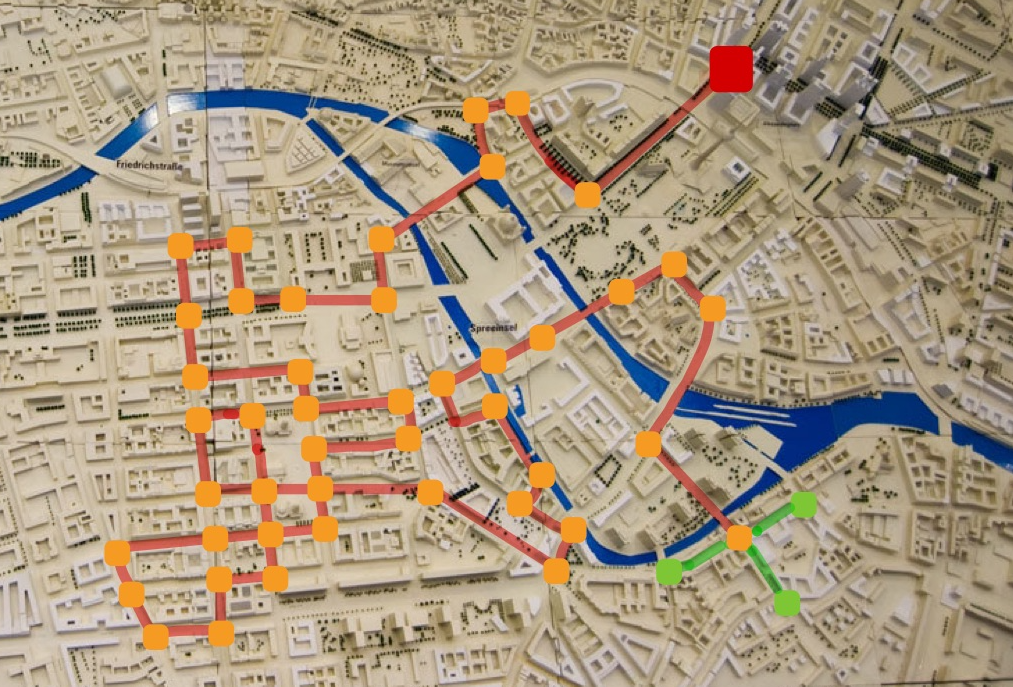
Random walks are popularly described as a drunkard’s path down the streets. What happens when the streets also start to move?
How does wireless communication work?
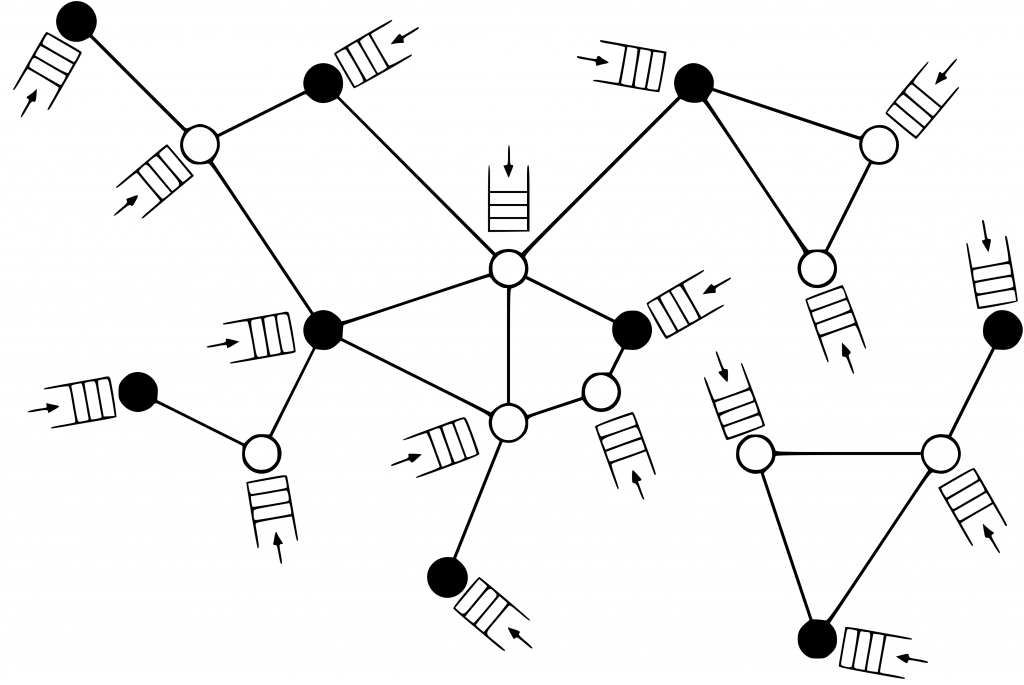
We might not be fully aware of it, but we all use wireless communication everyday in many familiar situations, such as when we connect our laptop to the local Wi-Fi network, when we use navigation apps to orientate ourselves while driving, or when we send a message to a friend using our smartphones. It has become so natural for the world we live in, that we often take it for granted and have no idea of how it works.
How to Plan for a Pandemic? An interview with Hans Heesterbeek
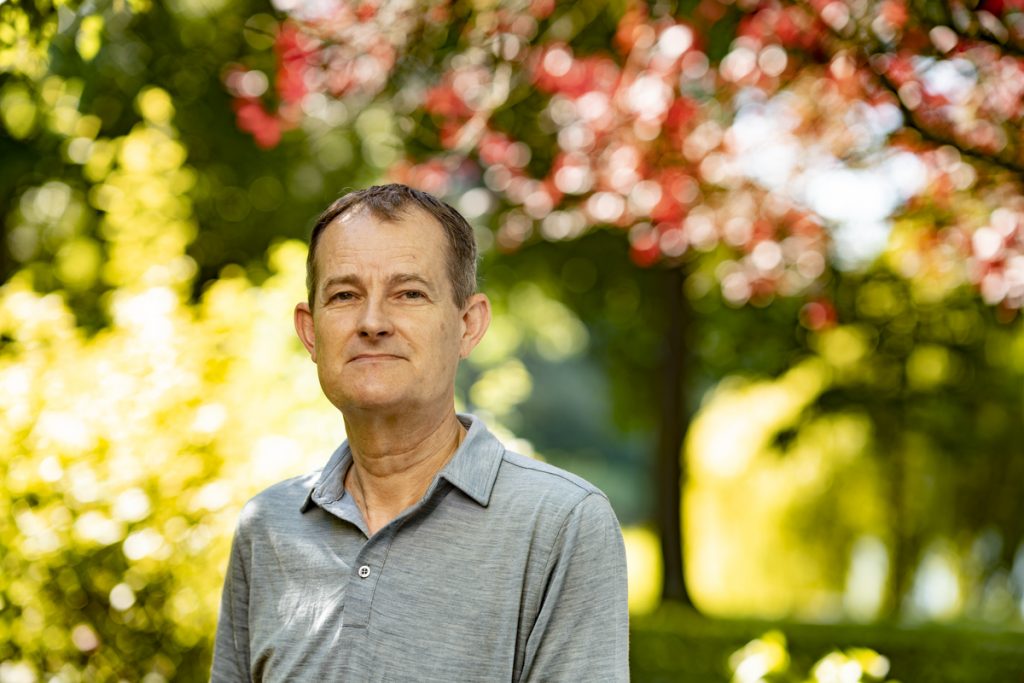
Prof. dr. ir. Hans Heesterbeek, one of the leading infectious disease epidemiologists in the Netherlands, is a busy man. Fortunately for us, Hans Heesterbeek had a gap in his schedule to yet again answer some questions, this time not asked by professional journalists, but by us, four students from the Technical University in Eindhoven.