
Guaranteeing a good shuffle of cards

Four friends, Mark, Richa, Peter and Tom, play cards every evening. Peter is a probabilist while the other three work in algebra. On one evening they become bored of riffle shuffling.
What if Set was even harder?
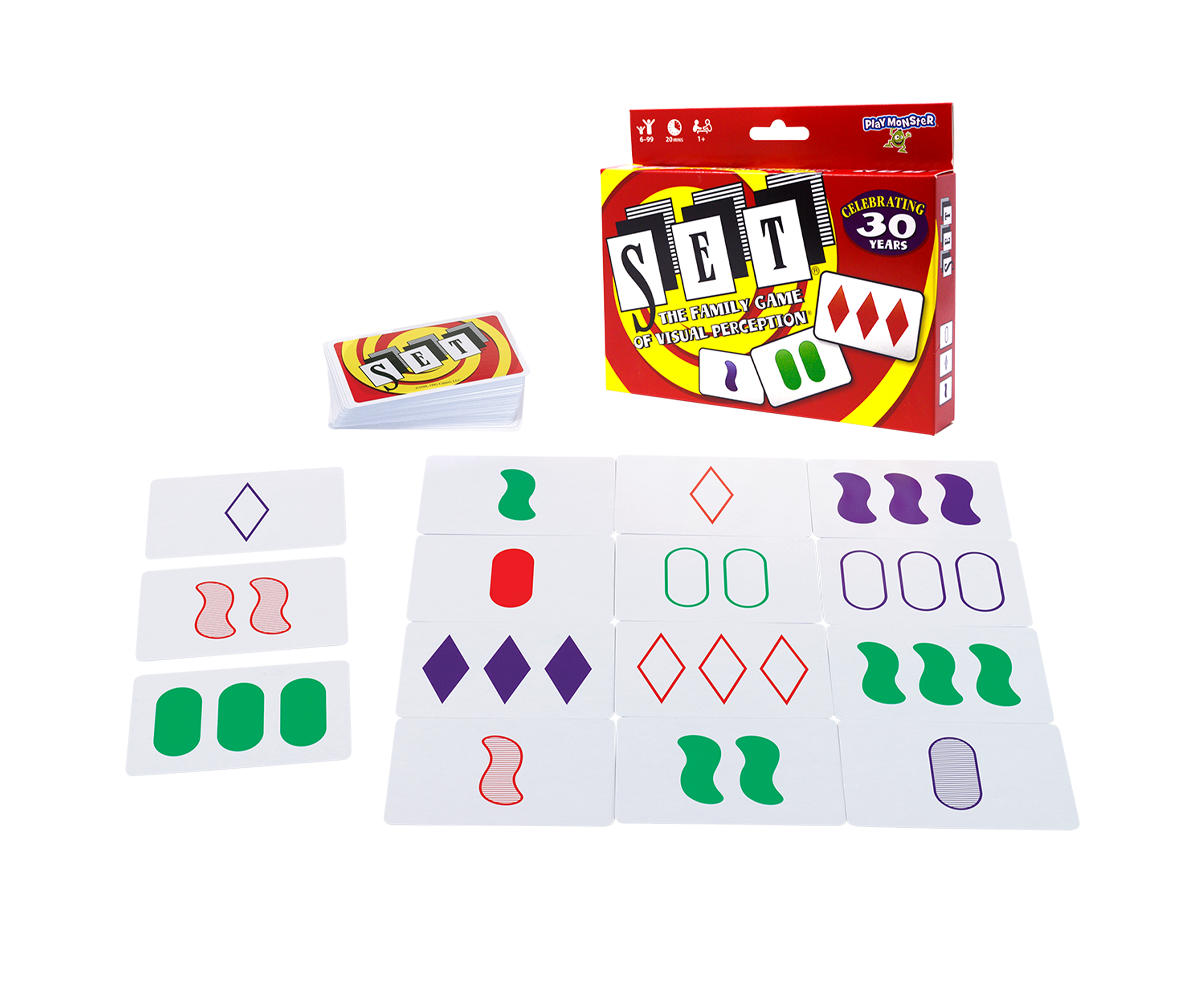
Most people are familiar with the game Set. A bunch of cards are laid out, and players race to spot a triple where each feature is either all the same or all different. What happens when we consider an expansion of this game?
Next edition Masterclass NETWORKS goes to school - October 22 & October 24, 2025
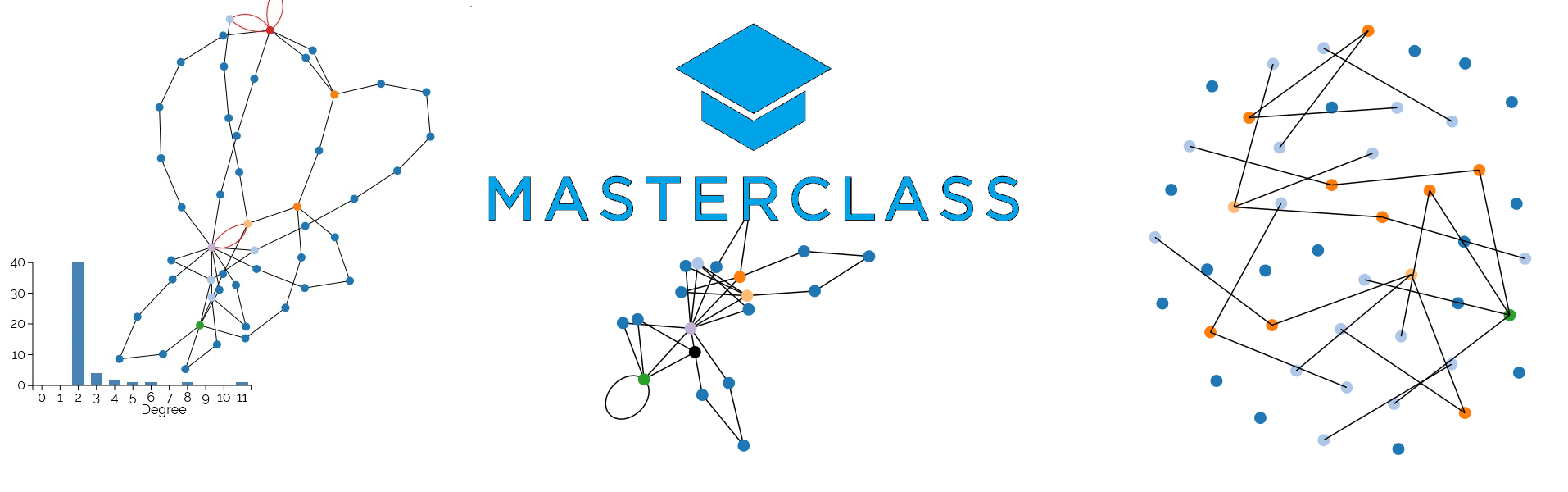
In October 2025 a masterclass on networks and algorithms will again be organised by the mathematics research program NETWORKS. Teachers and school students at the level of VWO 5-6 are welcome to join this two-day masterclass, no specific prior knowledge is needed, only enthousiasm about mathematics!
No more detention: how to arrive on time with math
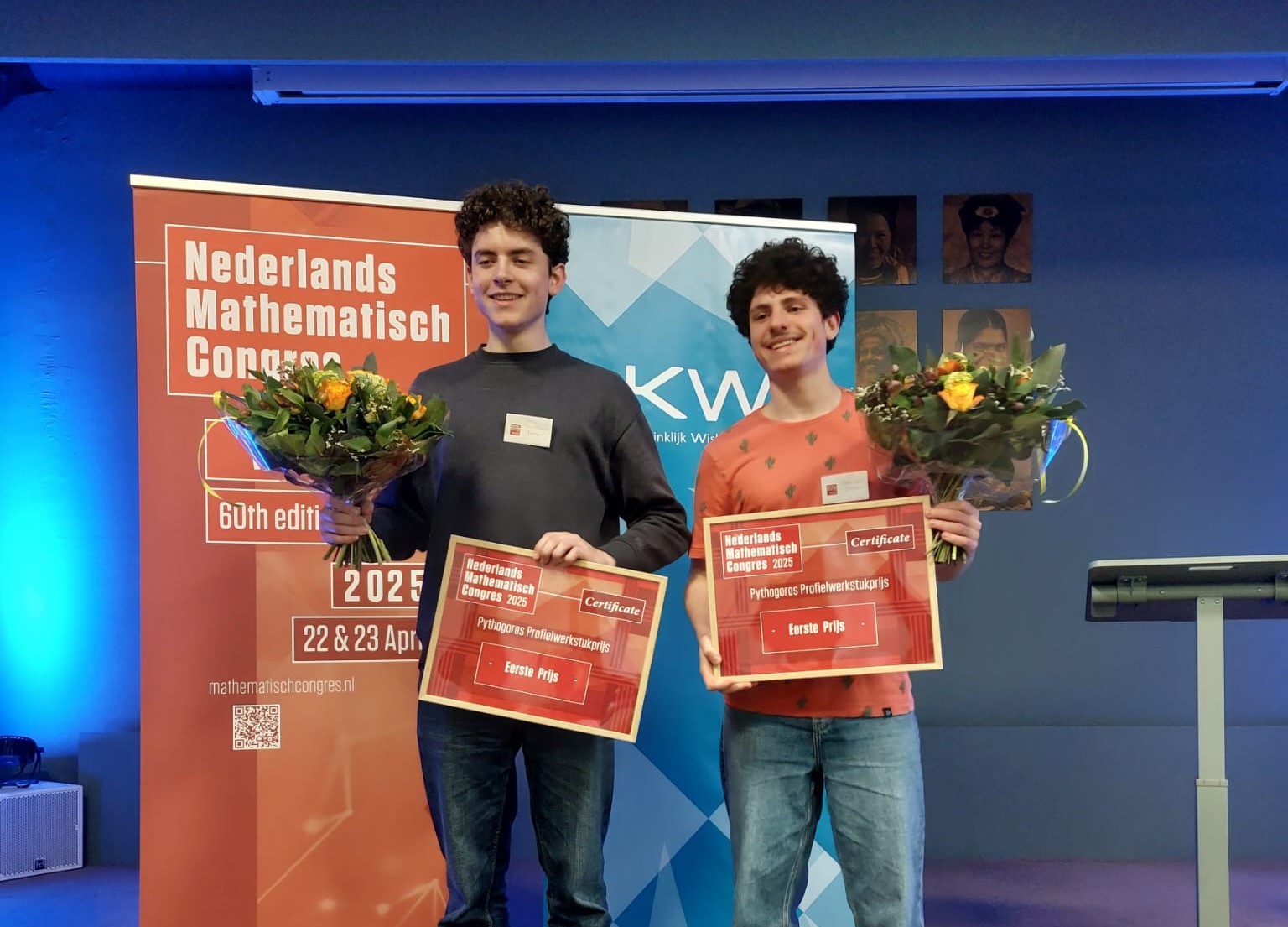
Getting to class on time isn't hard, if you leave on time and know the fastest route. But what’s the fastest route when the hallways are crowded? For their final high school project, Dylan and Tobias worked on finding the most efficient ways to navigate school during peak hours.
Brain under construction: what Inside Out gets right about your brain?
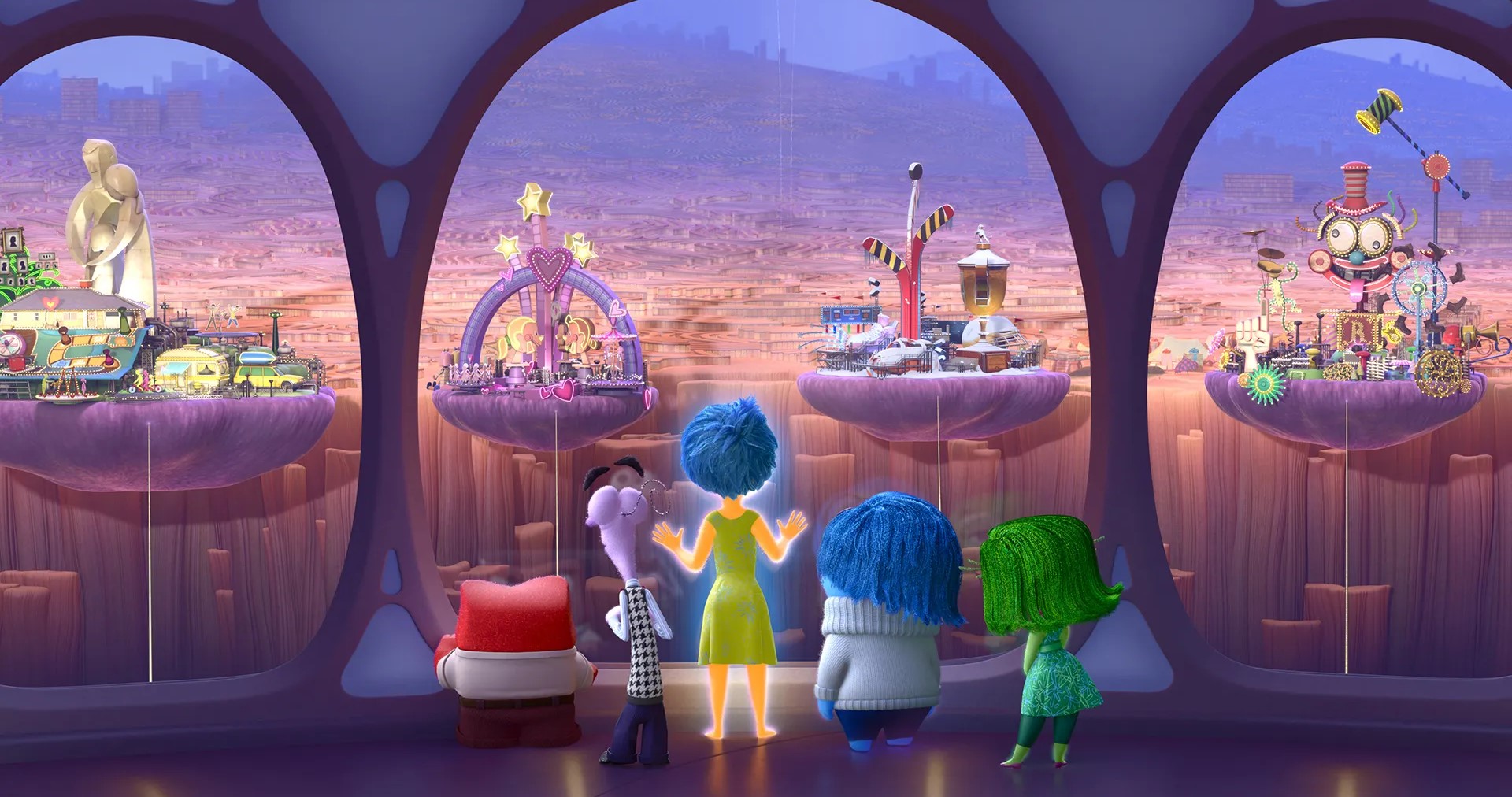
During our teenage years, everything changes. It’s no surprise that our brain does too. But how do we make sense of this transformation? Is there a way to quantify it? Networks might just be the answer.
Gut flow: key to studying the microbiome
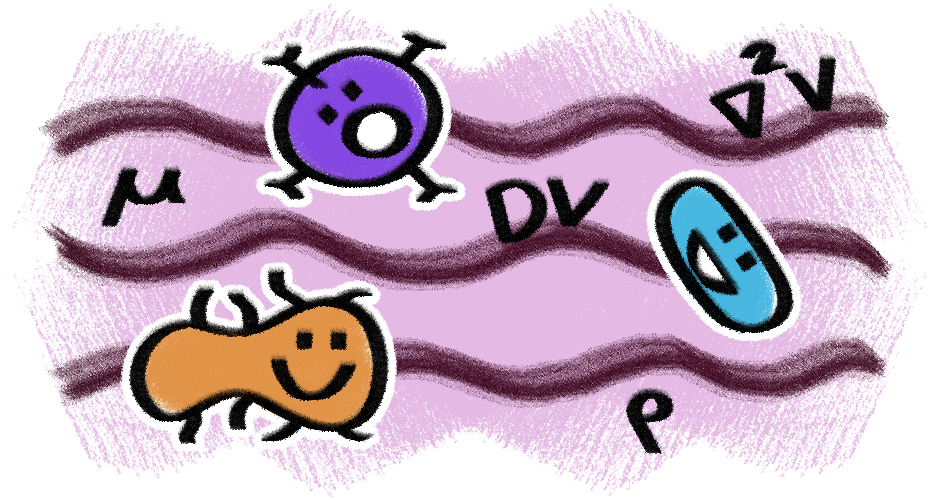
The gut microbiome works hard to keep you healthy. To understand it, we need to know how nutrients travel through the gut. This is where gut flow enters the story. How can we simulate gut flow with mathematics?
Can mathematics help you cook just enough?
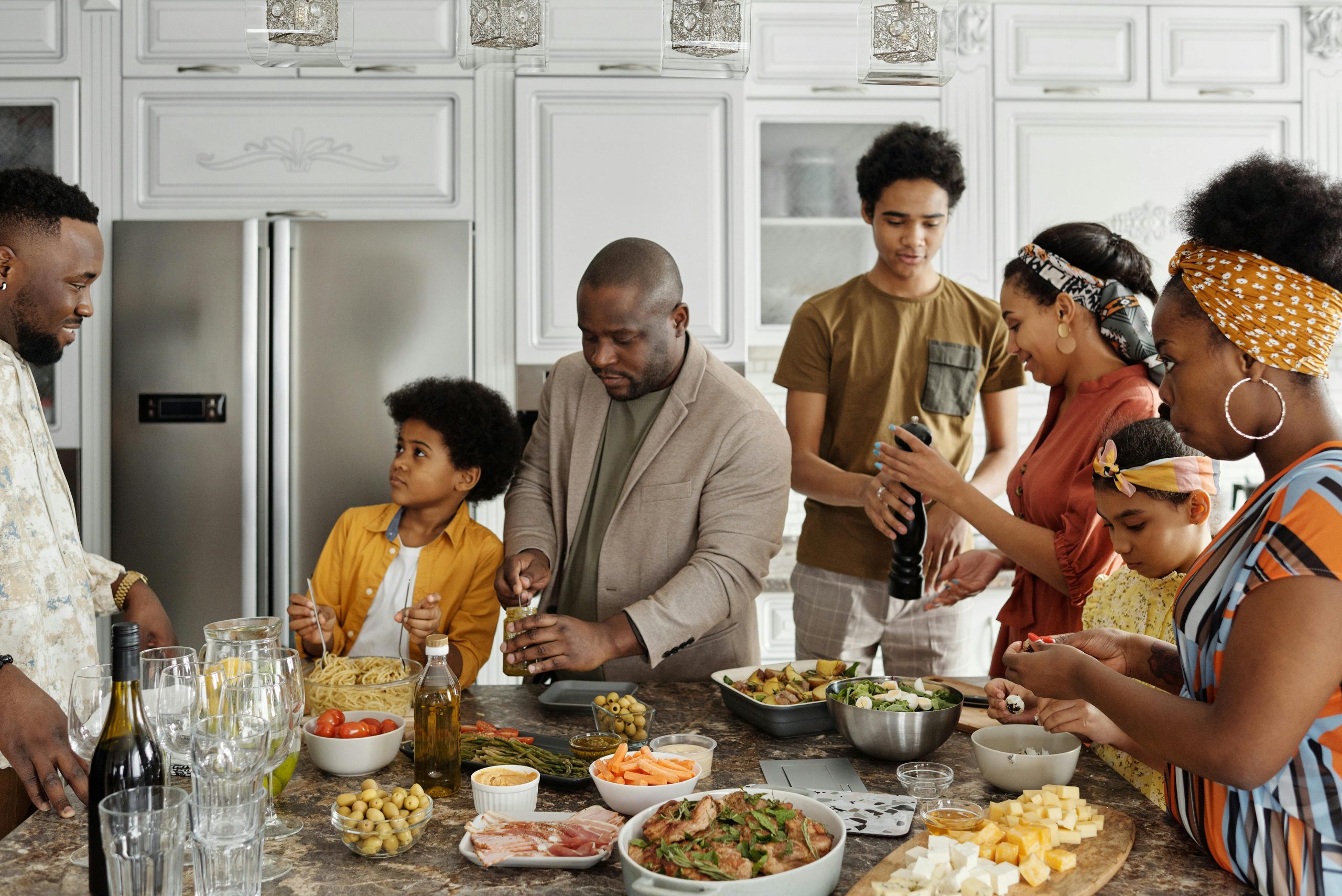
Leftovers are usually no issue. But what if you’re cooking for hundreds of people? Using
mathematics, specifically the Central Limit Theorem, we try to cook just the right amount.
Mr. Monopoly and Mr. Markov play a game
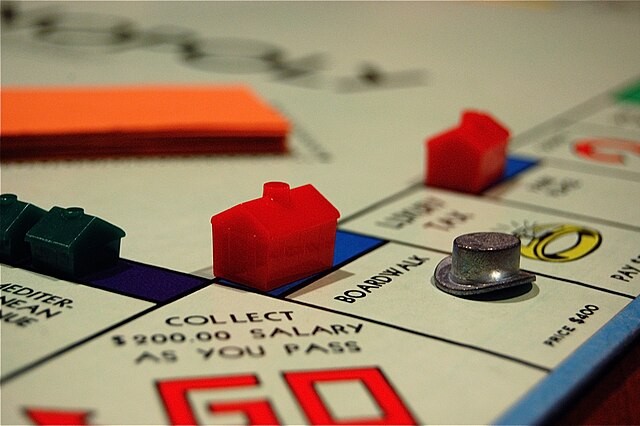
Now it’s time to tackle Monopoly! Using tools from probability theory, we can get some insights into the best properties to buy in Monopoly.
Mr Markov playing Snakes and Ladders
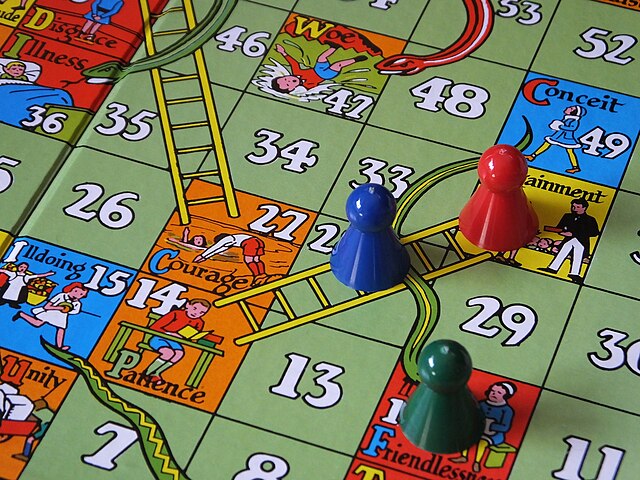
Have you ever wondered what kind of insights you can gain about games by looking at it using a mathematical lens? In this article we have a look at Snakes and Ladders, and in a follow up article we will dive into Monopoly!
Could the Future of Artificial Intelligence be Self-Organising?
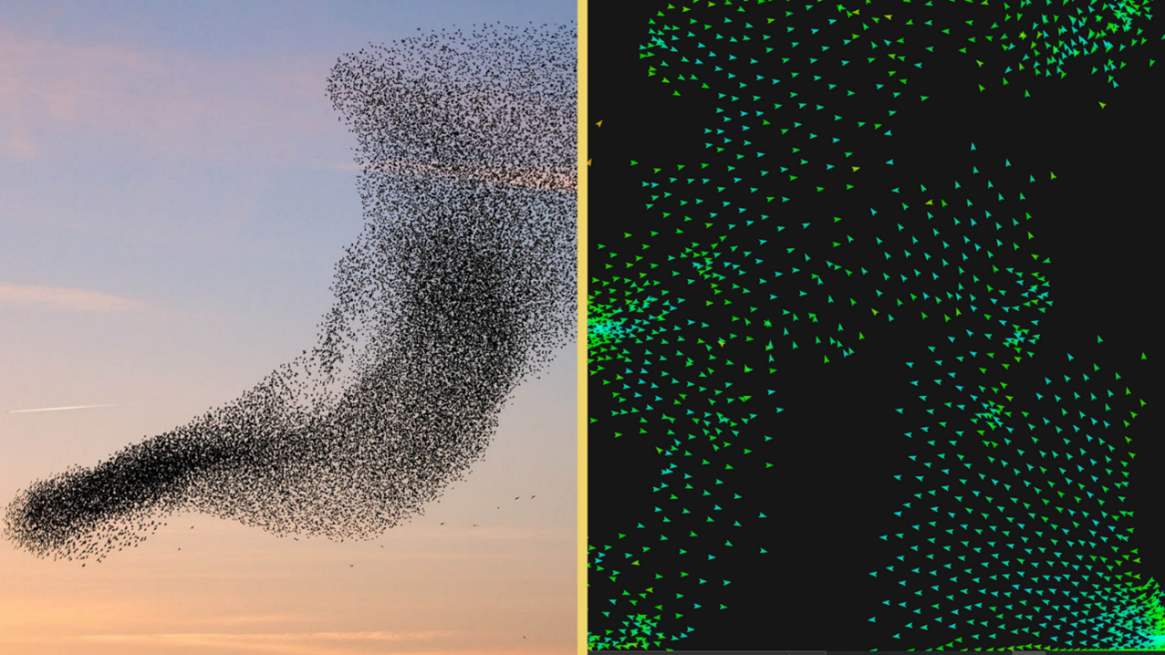
One of the main building blocks of modern AI-tools are artificial neural networks, abstract models inspired by the structure and functions of biological neural networks which enable machines to "learn". In this article, I will discuss some thoughts on this topic.