Many real-world phenomena and parts of the infrastructure of our society can be phrased in terms of networks. An electricity network for example describes how electricity can flow.
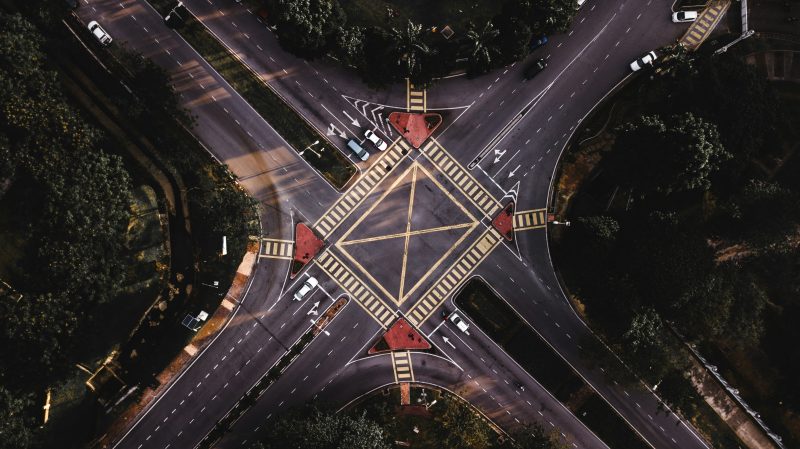
Our current traffic management systems are designed for human-driven vehicles, which begs the question: can traffic management systems be made more efficient when dealing with autonomous vehicles?
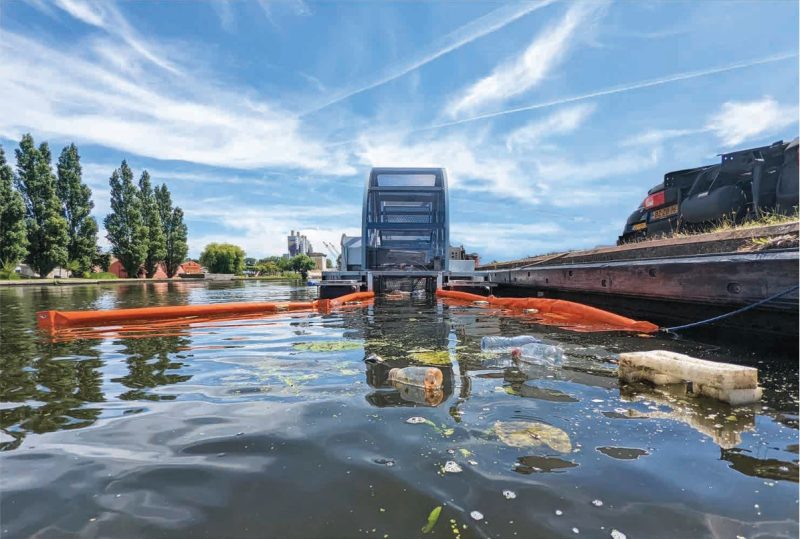
As soon as plastic waste ends up in water, it becomes increasingly difficult to clean up. That’s why it’s important to capture the waste closer to its source, in these canals and rivers. How can mathematical models be used to help clean plastic waste from canals and rivers?
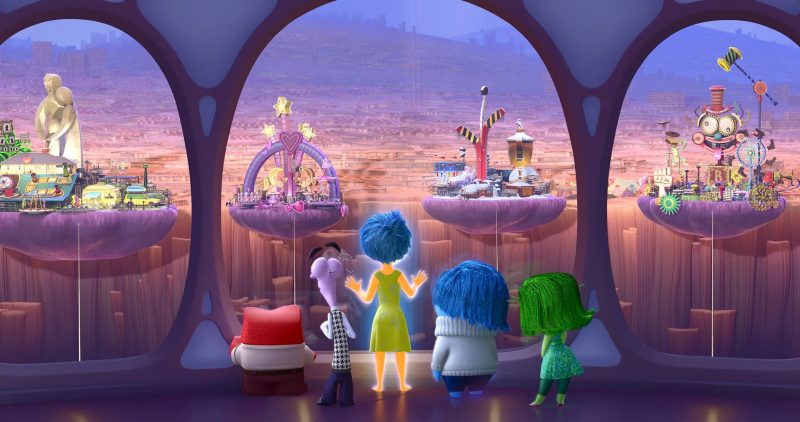
During our teenage years, everything changes. It’s no surprise that our brain does too. But how do we make sense of this transformation? Is there a way to quantify it? Networks might just be the answer.
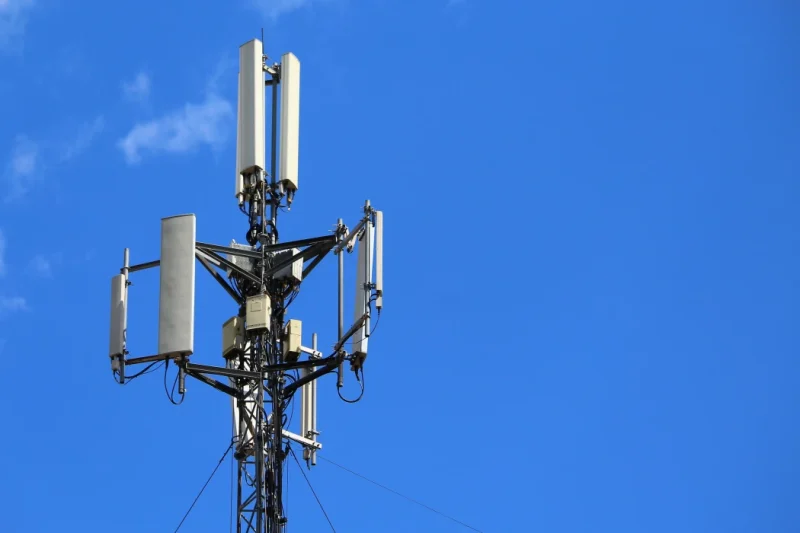
Being connected to the internet is second nature to us. But what happens if the network that connects us breaks down? To prevent such a catastrophe, we need to understand how the network behaves. Find out how we can model and simulate a 5G network!