

Degrees in graphs II: Degree sequences
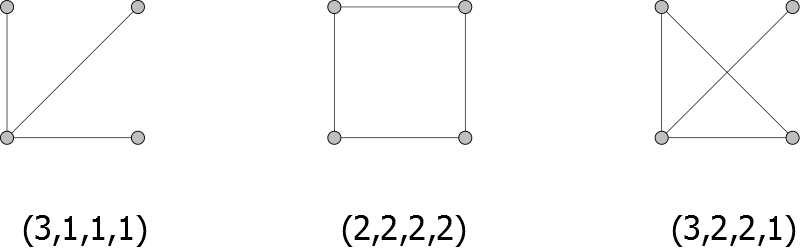
The degree sequence of a graph is the sequence of degrees of all its elements.
Statistical physics
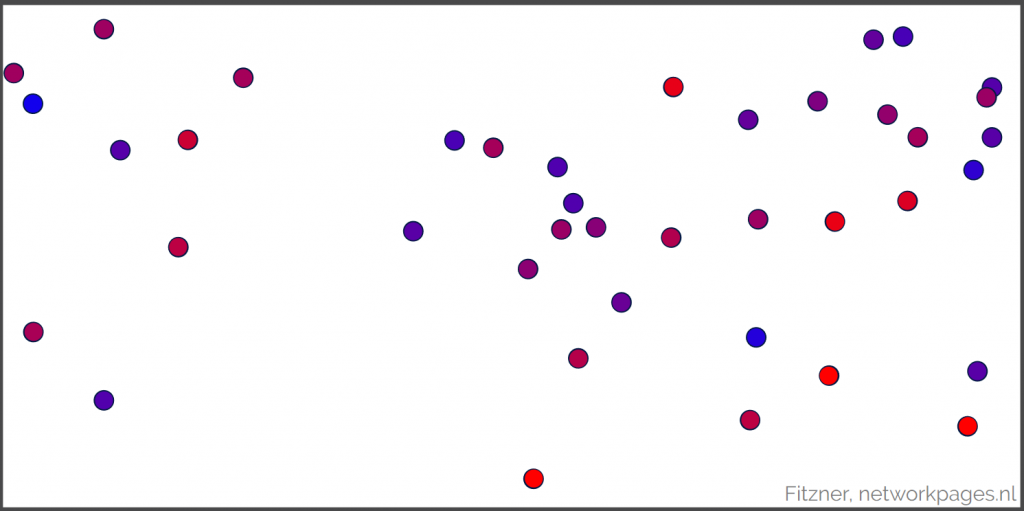
Interacting particle systems Statistical physics aims at describing collective behaviour in systems consisting of a very large number of interacting particles (= atoms or molecules). This is a daunting task: a glass of water or a piece of iron can easily contain 100.000.000.000.000.000.000.000 particles. Still, the hope is that the macroscopic properties of these particles […]
Stochastic models for random-access networks
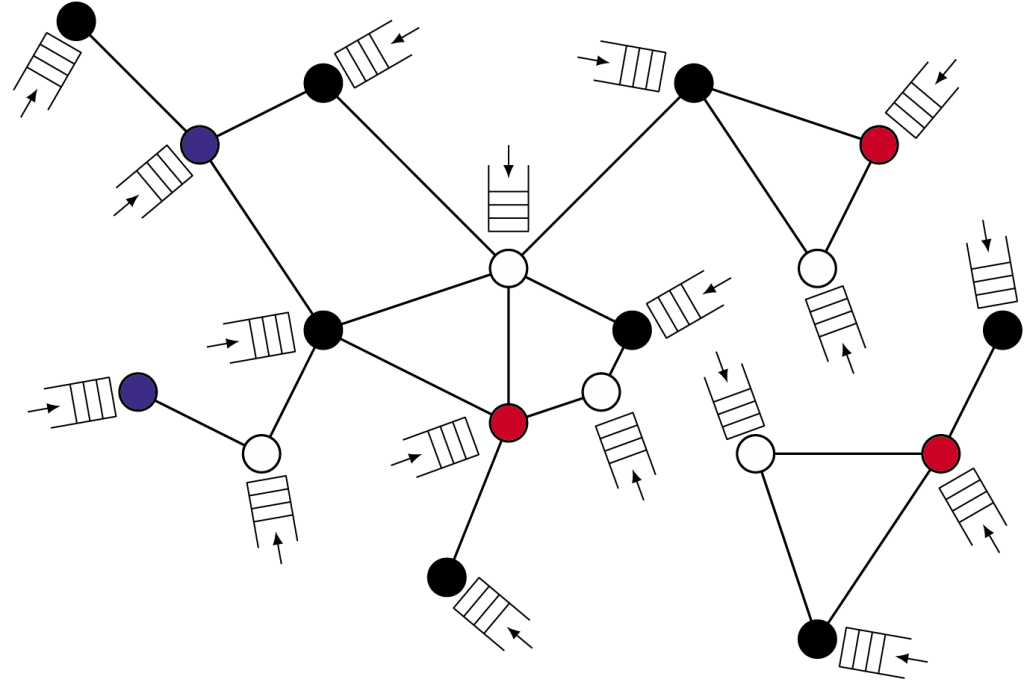
Wireless communication networks play a crucial role in connecting laptops, smartphones, sensors and countless physical devices, and in exchanging data among persons, computer brains and other parts of our information society.
Layered networks II: The layered character of manufacturing plants
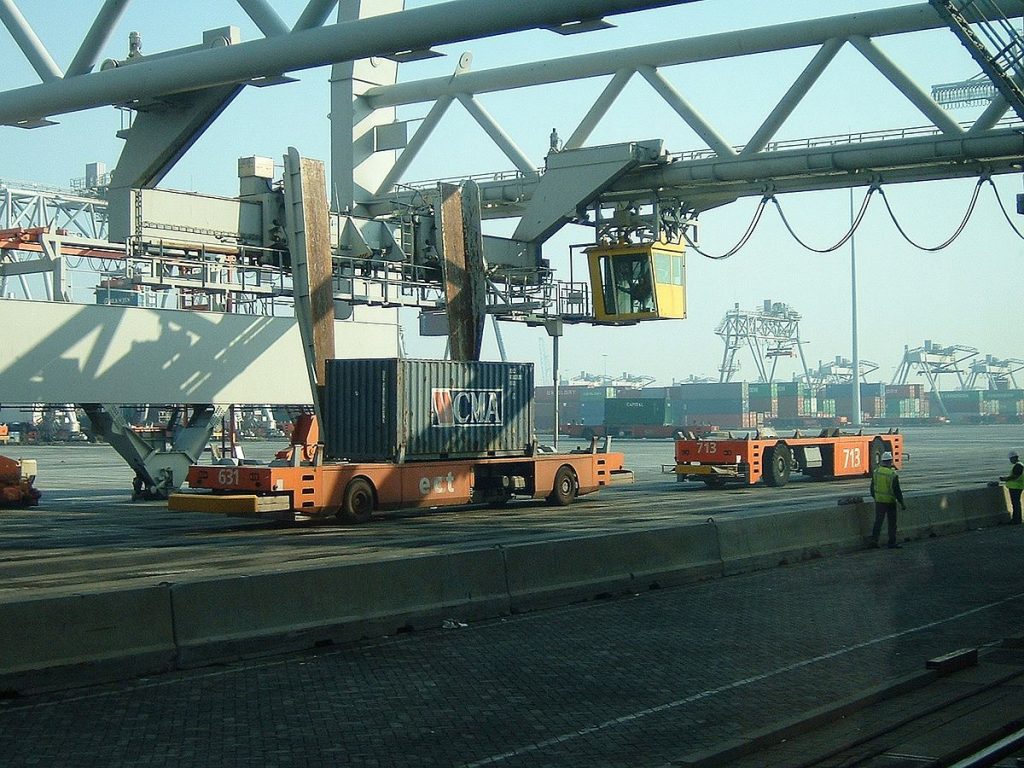
We have seen that queueing networks can be a great aid to answering such design questions. In this article, we look more closely at what queueing networks in manufacturing plants look like. It turns out that they have a very distinctive feature in that they are layered.
Predicting gang violence with networks

Chicago is famous for three things: art, architecture, and gang violence. The Chicago Police Department is trying all sorts things to get rid of that third claim to fame. One idea that they have been working with is “Predictive Policing”, read more about it in this article.
Traffic congestion: Tolls
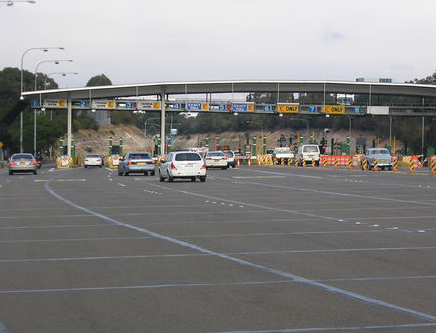
One way to mitigate the consequences of drivers' selfish behavior, is by introducing tolls (or taxes) on certain parts of the road network. This is also known as road pricing.
A Santa Claus network

Poor Santa has to travel all across the country to deliver all his presents. How does he do this?
Degrees in graphs I: the Handshake Lemma
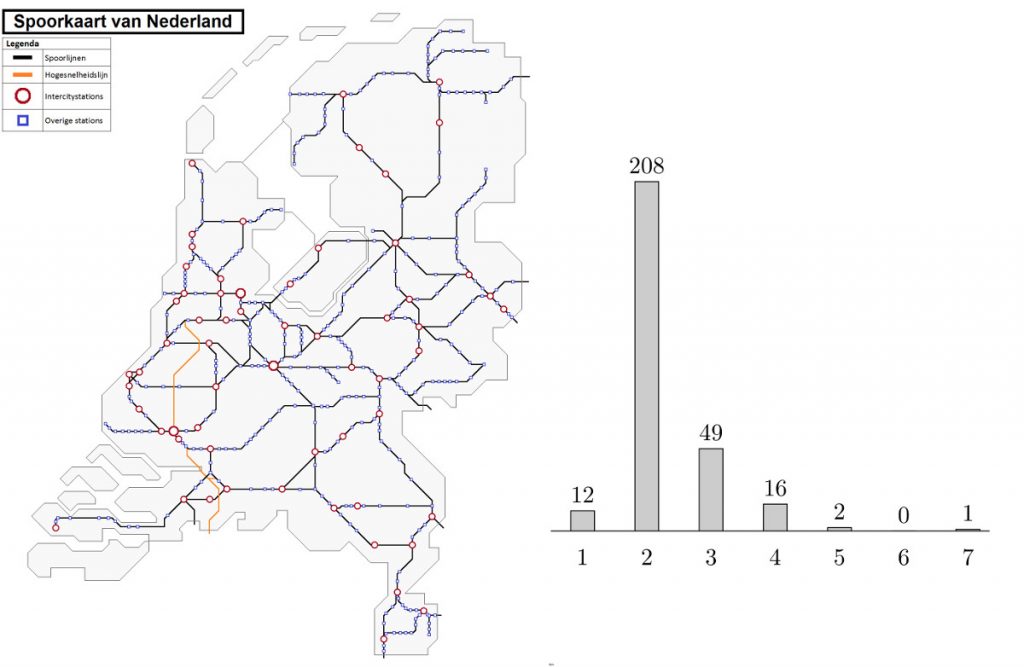
A graph consists of objects called vertices and connections between them called edges. For every vertex, we can count how many neighbors it has, which is called its degree.
Layered networks I: From manufacturing plants to queueing networks
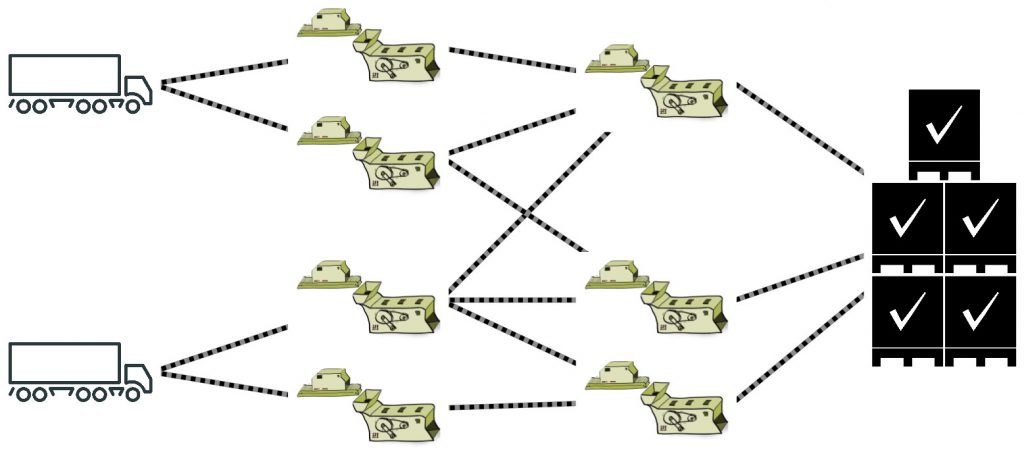
Manufacturing plants convert raw material into a final product. Think of cars, where the production line consists of a large number of phases to put all the different parts together into a working car. Big machines in such a plant perform the processing steps in different phases, which often have to be done in a specific order.
Quantum networks and security

This category contains articles about quantum computing, quantum cryptography, quantum networks and various other quantum-topics!