During the last semester, I had the pleasure of working with eleven great teams of students in various projects. All of these projects aimed at improving the teaching and communication of mathematics in society.
Some teams worked together with mathematics teachers and developed educational activities for their pupils, a team worked together with mathematics magazines and did research into how to increase their visibility, a team prepared and gave a very nice talk during the opening of IMAGINARY in Amsterdam, another team worked together with the Dutch Forensic Institute on an infographic communicating the prosecutor's fallacy, one other team worked together with a pianist who is inspired by the theory of Lie groups, and another team developed an animation. Yesterday we celebrated during our project festival the successful completion of all projects. It was an amazing and very touching experience working with the students and my colleagues on these projects.
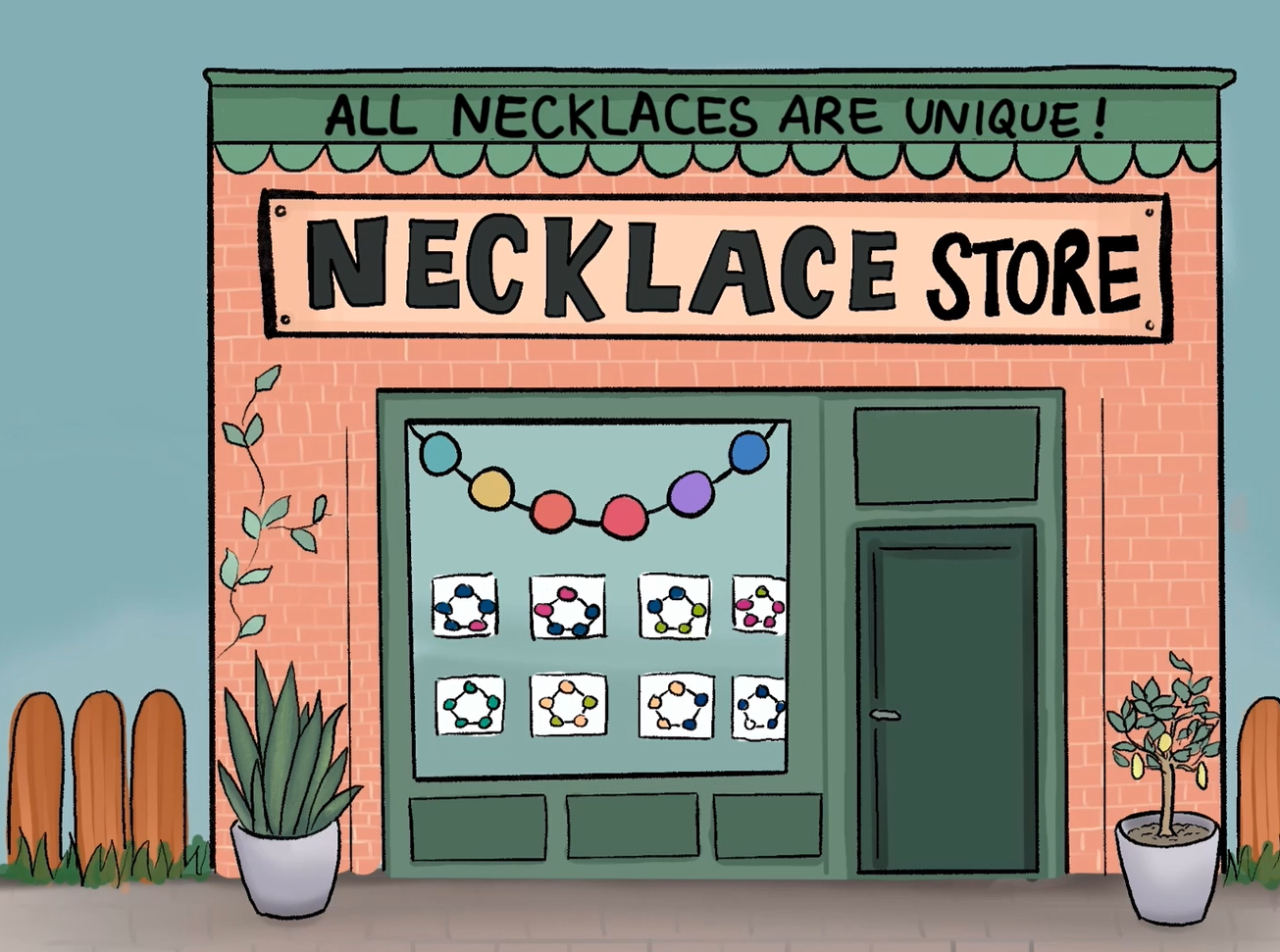
I will write about all eleven projects in due time, but for now, I want to share the result of one project with you. A video on Burnside's Lemma from algebra, made by Samuel Asmeron, Thomas de Boer, Anna Heikamp, and Daan Hoogcarspel, students in the bachelor in mathematics of the University of Amsterdam. Beautifully made and beautifully explained! Enjoy!
Last week I had the honour to receive an award from the Amsterdam Young Academy (AYA) for my contributions in teaching in the BSc in mathematics at the University of Amsterdam. I thought of many things during this time, and I wanted to write some thoughts down.
Between 1973 and 1986 multiple rapes and murders were committed in the state of California. Years later the idea was raised that these crimes might be connected. But traditional DNA analysis from the samples found at the crime scenes, could not identify the culprit.
Rafael Prieto-Curiel is a mathematician and a faculty member at the Complexity Science Hub in Vienna, Austria. His research focuses on crime, mobility, migration and urban dynamics. We interviewed Rafael to learn about his story.
Two weeks ago I had the pleasure to attend two events where prizes for outstanding research in mathematics were awarded, one of them was the CWI Best Thesis in Applied Math 2024. It was a great pleasure to be there, to chat with (most of) the candidates, and to learn what they have done during their bachelor and master thesis'.
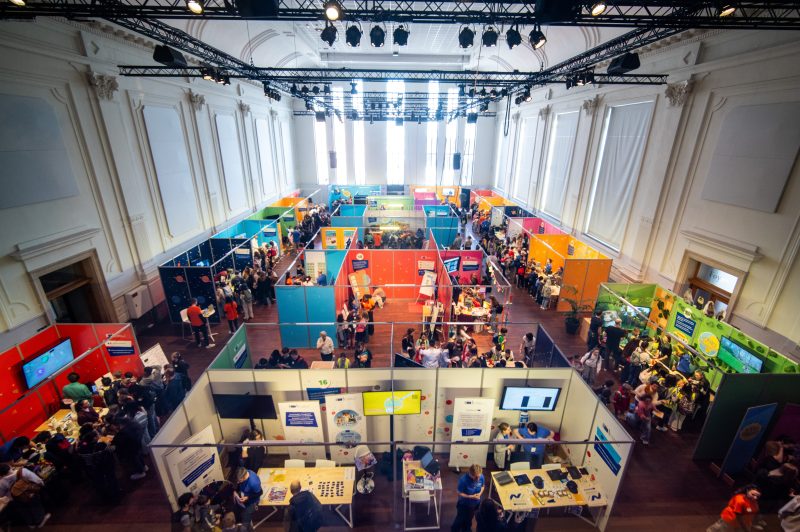
We participated in a three-day science fair in Brussels, called Science is Wonderful!, for which we designed an interactive booth aimed at introducing young people to network science. Here's what we learned!